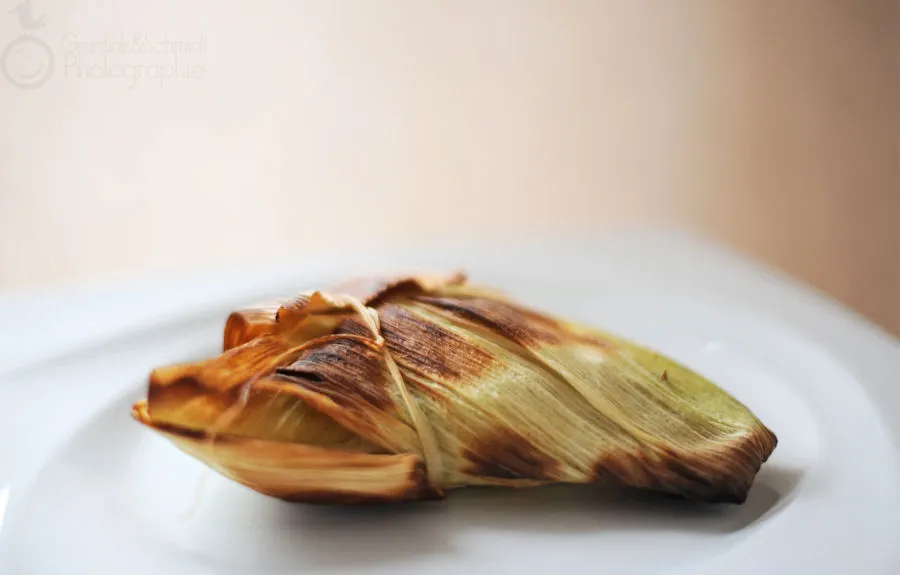
Finding the best humintas near me can be an exciting way to discover traditional South American cuisine. These comforting corn-based specialties are known for their naturally sweet flavor, soft texture, and simple ingredients. Depending on the region and recipe, humintas may be steamed, boiled, or baked, with variations that range from savory and cheesy to mildly sweet.
Although humintas are less widely available than familiar Latin American foods such as tacos and empanadas, they can be found at select South American restaurants, specialty bakeries, food markets, and cultural festivals. Knowing what to look for can make the search easier and help you find a version that matches your taste.
Whether you are trying humintas for the first time or looking for a traditional recipe that reminds you of a favorite meal, understanding their ingredients, preparation methods, and regional differences will help you make a better choice.
What Are Humintas?
Humintas are traditional corn-based foods popular in several South American countries, particularly Bolivia and parts of the Andean region. They are commonly prepared with fresh corn, which is ground or blended into a thick mixture and wrapped in corn husks before cooking.
The exact recipe depends on local customs and family traditions. Some versions contain cheese, butter, or other dairy ingredients, while others emphasize the natural sweetness of fresh corn. The texture can be soft and moist, similar to a corn pudding, or firm enough to hold its shape when unwrapped.
Humintas are closely related to humitas, a name widely used for similar dishes in countries such as Ecuador, Peru, and Chile. Although the names and recipes overlap, preparation techniques and seasonings can differ significantly from one place to another.
What Makes Humintas Different From Tamales?
Humintas and traditional tamales share an important characteristic: both can be wrapped in plant-based coverings and cooked until their fillings become tender. However, the main ingredients and flavor profiles often distinguish them.
Traditional Mexican tamales are generally made with masa, a dough prepared from nixtamalized corn. They may contain seasoned meat, beans, vegetables, cheese, or sweet fillings.
Humintas, by contrast, commonly feature fresh corn as their primary ingredient. This gives them a more pronounced corn flavor and often a softer, naturally sweeter consistency.
The distinction is not absolute, since recipes vary across Latin America. Still, if you enjoy corn-based dishes and want something different from a conventional tamale, humintas are worth trying.
Where to Find the Best Humintas Near Me
The best place to find humintas depends on your location, the local South American community, and whether you prefer homemade traditional food or a restaurant-prepared version.
Rather than relying on a single type of establishment, consider several options when searching for authentic humintas nearby.
1. South American Restaurants
Restaurants specializing in Bolivian, Ecuadorian, or Peruvian cuisine are among the most promising places to start.
These establishments may offer regional corn dishes alongside soups, grilled meats, potatoes, pastries, and other traditional specialties. Humintas might appear on the regular menu, as a breakfast item, or as a seasonal offering.
When reviewing a restaurant’s menu, look for terms such as humintas, humitas, humitas de choclo, or steamed corn cakes. Because terminology differs by country, a restaurant might serve the dish under a slightly different name.
It is also worth calling ahead. Some traditional foods are prepared in small batches rather than kept available throughout the day.
2. Latin American Bakeries and Specialty Markets
Latin American bakeries and grocery stores can be useful alternatives to restaurants, especially in cities with established South American communities.
Some markets carry prepared foods made by local cooks, while others offer frozen or refrigerated traditional dishes. A bakery may also sell corn-based snacks that resemble humintas, although the ingredients and preparation method may differ.
Ask whether the product is freshly made, frozen, steamed, or baked. These details can help you understand what to expect before purchasing.
If you find a market that regularly stocks Bolivian or Ecuadorian specialties, it may also be able to recommend nearby restaurants or home-based food businesses that prepare humintas.
3. Local Food Festivals and Cultural Events
Cultural festivals can provide an opportunity to discover dishes that are difficult to find on everyday restaurant menus.
South American community celebrations, international food fairs, and Latin American cultural events sometimes feature traditional corn dishes prepared by local vendors. These events can be particularly helpful if you want to compare recipes or learn how humintas are made.
Check the event menu before attending, since not every Latin American festival includes humintas specifically.
4. Independent Caterers and Home-Based Cooks
Traditional recipes are often preserved by families and small food businesses. In some communities, independent caterers offer regional dishes for gatherings, celebrations, and special orders.
A local Bolivian or Ecuadorian catering business may prepare humintas even if it does not operate a conventional restaurant.
Before placing an order, confirm the ingredients, portion size, pickup arrangements, and preparation date. If you have dietary restrictions, ask about dairy, added sugar, and possible cross-contact with allergens.
5. Online Restaurant Menus and Local Food Listings
Online searches can help identify businesses that serve regional South American cuisine. However, a restaurant’s general category does not guarantee that humintas are available.
Use several related search phrases, including “humintas near me,” “fresh humitas nearby,” “Bolivian food near me,” and “Ecuadorian restaurants near me.”
Read recent menu information and customer reviews carefully. Reviews that specifically mention humintas or similar corn dishes are more useful than general comments about a restaurant’s atmosphere.
If a menu does not list the dish, contact the restaurant directly rather than assuming it is unavailable.
What Makes a Great Huminta?
Not every huminta tastes the same. Corn variety, freshness, moisture, seasoning, and cooking method all influence the finished dish.
Understanding these characteristics can help you recognize a well-prepared version.
Fresh Corn Flavor
Corn should be the main attraction. A good huminta typically has a recognizable sweet-corn flavor without excessive seasoning overpowering the natural taste.
Fresh corn can contribute both sweetness and a pleasant, full-bodied flavor. Recipes made with different corn varieties may taste slightly starchier or sweeter, depending on the ingredients used.
If the dish tastes strongly of its seasoning but has little recognizable corn flavor, it may not offer the balanced experience you are looking for.
A Tender, Moist Texture
Humintas should generally be tender rather than dry or unpleasantly tough. The ideal consistency depends on the regional recipe, but the corn mixture should hold together without becoming excessively dense.
Steamed or boiled versions are often soft and moist. Baked humintas may develop a more concentrated flavor and a lightly browned exterior.
Neither method is automatically better. Your preference for a delicate, pudding-like texture or a firmer, more structured corn cake can guide your choice.
Balanced Seasoning
Some humintas are prepared with cheese and savory seasonings, while others lean toward a sweet profile.
A savory version should allow the corn and cheese to complement one another. A sweeter version should retain enough corn flavor to avoid tasting like an ordinary dessert.
Ask about the recipe if you prefer one style over another. Regional and family traditions can influence the amount of salt, sugar, butter, and cheese used.
Careful Preparation
Corn husks are more than decorative packaging. They help contain the mixture during cooking and can contribute to the dish’s traditional presentation.
A properly prepared huminta should be easy to unwrap and pleasant to eat. The husk itself is usually removed before eating the corn filling.
Freshness also matters. A huminta that has been held too long may lose moisture or develop a less appealing texture, so it is reasonable to ask when a batch was prepared.
Popular Types of Humintas to Try
If you are exploring the best humintas near me, consider trying more than one style. Different recipes can provide noticeably different experiences.
Savory Humintas With Cheese
Savory humintas often combine fresh corn with cheese, butter, salt, or other ingredients. The result can be creamy, slightly salty, and naturally sweet at the same time.
Cheese varieties vary by region and availability. Some recipes use a mild fresh cheese, while others incorporate a firmer variety that provides a more pronounced savory flavor.
This style is a good starting point for anyone who enjoys cheesy corn dishes but wants to try a traditional South American preparation.
Sweet Humintas
Sweet versions highlight the natural sweetness of corn and may include sugar, butter, milk, or other ingredients, depending on the recipe.
They are often enjoyed as a snack, breakfast food, or light dessert. However, not every huminta is sweet, and some recipes rely entirely on the flavor of the corn itself.
If you prefer desserts that are not excessively sugary, ask whether the recipe contains added sugar before ordering.
Steamed Humintas
Steaming is a traditional preparation method in which the corn mixture is wrapped in husks and cooked until tender.
This technique helps retain moisture and produces a soft texture. Steamed humintas are often a good option for people who want to experience the dish in a relatively simple, traditional form.
Baked Humintas
Baked versions may be prepared in a dish or with other regional techniques that allow the corn mixture to develop a firmer consistency and lightly browned surface.
Depending on the recipe, baking can produce a more concentrated flavor than steaming. Some versions are served in portions rather than as individual husk-wrapped parcels.
When comparing restaurants, ask how their humintas are prepared. The cooking method can make a significant difference to the final result.
How to Choose Between Restaurants Serving Humintas
Finding a restaurant that mentions humintas is only the first step. A few practical checks can help you choose a place that meets your expectations.
Check the Menu Details
Look for descriptions of the dish rather than relying only on its name. A menu might specify fresh corn, cheese, steaming, or baking, giving you a better idea of what will arrive at the table.
If the menu provides little information, ask the staff whether the humintas are savory or sweet and whether they are made in-house.
Read Specific Customer Reviews
Recent reviews can provide useful information about food quality, portion sizes, service, and availability.
Prioritize comments that mention the dish itself. A restaurant may receive excellent reviews for its grilled meat or coffee without necessarily preparing humintas particularly well.
Keep in mind that individual taste varies. One customer might prefer a sweet, soft huminta, while another favors a savory version with a firmer texture.
Compare Freshness and Value
Price alone does not determine quality. Consider portion size, ingredient quality, preparation, and whether the dish is freshly made.
If humintas are sold individually, ask about their size before ordering several. If they are available as part of a meal, compare the complete offering rather than looking only at the price of the corn dish.
Ask About Ingredients and Allergens
Corn is the main ingredient, but humintas may also contain milk, butter, cheese, or other ingredients.
People with food allergies should ask the restaurant about the recipe and food-preparation practices. Those who avoid dairy should not assume a corn-based dish is dairy-free.
Likewise, vegan and vegetarian suitability depends on the ingredients used and how the food is prepared.
How to Enjoy Humintas at Home or in a Restaurant
Humintas can be enjoyed on their own or as part of a larger meal. Their mild corn flavor makes them versatile enough to accompany several kinds of food.
For breakfast, pair a savory huminta with eggs or a warm drink. A sweet version can be enjoyed with coffee or tea as a simple morning snack.
At lunch, humintas can accompany a salad, vegetable dish, or other South American specialties. Their soft texture also makes them a satisfying addition to a meal built around grilled foods.
If you are trying humintas for the first time, consider ordering one before committing to a larger portion. This lets you discover whether you prefer the savory or sweet style.
When purchasing prepared humintas to take home, follow the seller’s storage and reheating instructions. Refrigerate perishable foods promptly, and reheat leftovers thoroughly. Avoid leaving cooked foods at room temperature for extended periods.
Can You Make Humintas at Home?
Yes. Homemade humintas can be prepared with a relatively short list of ingredients, although traditional recipes differ considerably.
A basic version may use fresh corn kernels, butter, salt, and cheese. Sweet recipes may include a small amount of sugar, while some regional variations use additional ingredients to achieve a particular consistency.
The general process involves grinding or blending the corn, combining it with the remaining ingredients, placing the mixture in corn husks or a suitable baking dish, and cooking until set.
The details depend on the recipe. Steamed versions need an appropriate steaming setup, while baked versions require a suitable oven temperature and cooking time.
Tips for Better Homemade Humintas
Choose flavorful corn. Fresh, sweet corn provides a strong foundation for the dish. If fresh corn is unavailable, an alternative may work, but the texture and moisture content can change.
Avoid an overly watery mixture. Excess moisture can make it difficult for the huminta to hold its shape. Adjust the ingredients according to the corn’s consistency.
Use cheese thoughtfully. A mild cheese can complement the sweetness of the corn without overpowering it. Check the salt level before adding more seasoning.
Allow the mixture to cook completely. Follow a tested recipe for cooking time and temperature. The center should be properly cooked before serving.
Experiment with regional styles. Once you understand the basic preparation, you can explore different levels of sweetness, cheese varieties, and cooking methods.
Making humintas at home can be especially rewarding when restaurants nearby do not regularly offer them.
Frequently Asked Questions About Humintas
1. What are humintas made of?
Humintas are primarily made from corn that has been ground or blended into a mixture. Depending on the recipe, additional ingredients may include cheese, butter, salt, sugar, or milk. The mixture is commonly cooked by steaming, boiling, or baking.
2. Where can I find the best humintas near me?
Start with Bolivian, Ecuadorian, and other South American restaurants, followed by Best Humintas Near Me Latin American specialty markets, bakeries, caterers, and cultural food events. Check menus and call ahead because humintas may not be available every day.
3. Are humintas the same as humitas?
The terms are closely related and are sometimes used for similar dishes. Humintas is a common spelling in Bolivia, while humitas is widely used in other South American countries. Ingredients and preparation methods vary by region.
4. Are humintas sweet or savory?
They can be either. Some recipes emphasize the natural sweetness of corn, while others include cheese and savory seasonings. Ask the restaurant which version it serves before ordering.
5. Are humintas similar to Mexican tamales?
Both are corn-based dishes that may be wrapped in husks during cooking. However, humintas typically feature fresh corn, while many Mexican tamales use masa made from nixtamalized corn. Their textures, fillings, and flavors can differ.
6. Are humintas vegetarian?
Some recipes are vegetarian, particularly those made with corn, butter, cheese, and seasonings. However, ingredients vary, and preparation practices may introduce other concerns. Check with the restaurant if you follow a vegetarian diet.
7. Are humintas gluten-free?
Corn itself does not contain gluten, but a particular huminta recipe may include other ingredients or be prepared in an environment with cross-contact risks. Anyone who needs to avoid gluten should confirm the ingredients and preparation methods with the seller.
8. Can I find vegan humintas near me?
Possibly. Traditional recipes vary, and some are naturally plant-based while others contain cheese, butter, or milk. Ask restaurants whether they offer a vegan version and whether the dish is prepared separately from animal-based ingredients.
9. Are humintas eaten for breakfast?
Yes, humintas can be enjoyed at breakfast, as a snack, or as part of a larger meal. Their role depends on regional customs and whether the recipe is sweet or savory.
10. Can I freeze leftover humintas?
Many cooked humintas can be frozen, although the texture may change slightly after thawing. Let them cool safely, package them in airtight containers or freezer-safe bags, and label the date. Thaw and reheat according to safe food-handling practices.
Conclusion
Finding the best humintas near me starts with knowing where to look and what makes this traditional South American dish special. Bolivian and Ecuadorian restaurants, Latin American specialty markets, independent caterers, and cultural festivals can all be useful places to explore.







1 thought on “Best Humintas Near Me How to Find a Delicious Taste of South American Tradition”
Comments are closed.