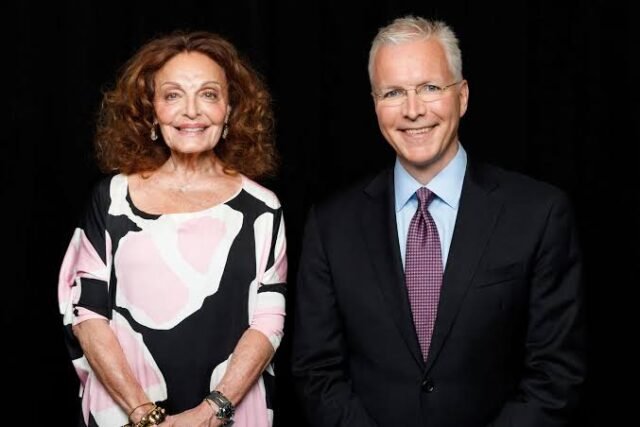
Wayne Gretzky and Larry Culp built their reputations in two very different professional environments. Gretzky became one of the most celebrated players in hockey history, earning recognition for his remarkable vision, creativity, and understanding of the game. Culp established himself as a business leader known for operational discipline, organizational improvement, and his work guiding major industrial companies.
At first glance, comparing a professional hockey legend with a corporate executive might seem unusual. One spent his career reading the ice, anticipating opponents, and creating scoring opportunities. The other built a career around manufacturing operations, business strategy, and improving organizational performance.
Yet the careers of Wayne Gretzky and Larry Culp offer an interesting perspective on leadership. Both illustrate how preparation, sound judgment, adaptability, and the ability to recognize opportunities can influence performance. Their experiences also demonstrate that success rarely comes from a single impressive decision. It develops through consistent habits, effective teamwork, and the willingness to adjust when circumstances change.
Understanding their individual achievements provides useful lessons for athletes, managers, entrepreneurs, and anyone interested in what separates exceptional performance from ordinary results.
Who Are Wayne Gretzky and Larry Culp?
Although Gretzky and Culp operate in different fields, each has become associated with high expectations and the challenge of delivering results in a demanding environment.
Wayne Gretzky: The Great One of Hockey
Wayne Gretzky is a Canadian former professional ice hockey player widely regarded as one of the greatest athletes in NHL history. Nicknamed “The Great One,” he became famous for his extraordinary scoring ability, passing skills, hockey intelligence, and understanding of how plays develop before they become obvious.
Gretzky played for several NHL teams, including the Edmonton Oilers, Los Angeles Kings, St. Louis Blues, and New York Rangers. His years with Edmonton were particularly significant, as he helped the Oilers establish themselves as a dominant team during the 1980s.
His individual accomplishments include four Stanley Cup championships with Edmonton and a collection of NHL scoring records that helped define an era. Gretzky’s career was not simply about scoring goals. His ability to anticipate teammates’ movements, exploit defensive weaknesses, and create opportunities made him an influential figure in the evolution of offensive hockey.
After retiring as a player in 1999, Gretzky remained involved in the sport through coaching, management, business ventures, and public appearances. His career continues to provide examples of preparation, strategic thinking, and performance under pressure.
Larry Culp: A Leader in Industrial Business
Larry Culp is an American business executive best known for his leadership roles at Danaher Corporation and General Electric.
At Danaher, Culp served as chief executive officer from 2001 to 2014. During that period, the company developed a reputation for operational rigor and the application of the Danaher Business System, a management approach built around continuous improvement, problem-solving, and measurable performance.
In 2018, Culp became chairman and CEO of General Electric, becoming the first outsider appointed to lead the company as CEO. His responsibilities included addressing significant business challenges, strengthening operations, improving financial performance, and reshaping the company’s organizational structure.
GE subsequently separated its major businesses into more focused companies, including GE HealthCare and GE Vernova, while its aviation business continued as GE Aerospace.
Culp’s career illustrates the demands of leading large industrial organizations, where results depend on complex production systems, technical expertise, workforce coordination, and long-term strategic decisions.
Wayne Gretzky and Larry Culp: Two Different Approaches to Excellence
The most meaningful comparison between Gretzky and Culp is not their professional background. It is how they approached the challenges in front of them.
Gretzky excelled at recognizing opportunities in a fast-moving game. Culp focused on making complex organizations operate more effectively. Both careers highlight the value of understanding a system rather than concentrating on isolated actions.
Anticipating Opportunities Before Others See Them
Hockey rewards players who can anticipate what will happen next. Gretzky became famous for reading the movement of the puck, predicting how defenders would react, and positioning himself to create scoring opportunities.
This approach offers a broader lesson about decision-making. The best opportunity is not always the one directly in front of you. Sometimes it is the opportunity that becomes available after a teammate moves, a competitor makes a mistake, or the situation changes.
Business leaders face similar challenges. A company must understand customer needs, recognize operational weaknesses, and respond to changes in its industry before those developments become major problems.
Culp’s work in industrial management reflects this emphasis on understanding the system and identifying where improvements can produce meaningful results.
The underlying principle is anticipation. Whether someone is competing on the ice or managing a large organization, the ability to recognize patterns and prepare for what comes next can create an advantage.
Building Consistency Through Preparation
Exceptional performances often appear effortless to outside observers. In reality, sustained excellence usually depends on preparation, repetition, and disciplined execution.
Gretzky’s extraordinary career statistics demonstrate his ability to produce results over many seasons. He finished his regular-season NHL career with 894 goals, 1,963 assists, and 2,857 points.
Those accomplishments required much more than natural ability. Professional hockey demands conditioning, technical practice, tactical awareness, and the ability to make decisions under pressure.
Culp’s business philosophy emphasizes a different form of consistency. At Danaher and GE, his leadership has been associated with lean operating practices, continuous improvement, and close attention to execution.
In manufacturing, a small recurring problem can affect product quality, delivery schedules, customer satisfaction, and costs. Addressing the underlying process is often more valuable than repeatedly correcting the same mistake.
The parallel is clear: high performance becomes more sustainable when people develop reliable systems that support good decisions.
What Larry Culp’s Business Career Teaches About Leadership
Culp’s professional experience provides a useful case study in how leadership changes when the scale and complexity of an organization increase.
Continuous Improvement Matters More Than Occasional Breakthroughs
The Danaher Business System became an important part of the company’s approach to operations during Culp’s tenure as CEO. Its broader management principles emphasize identifying problems, improving processes, and using disciplined methods to achieve better outcomes.
This approach is relevant beyond industrial companies.
A small business owner might apply the same principle by examining why customer inquiries take too long to answer. A marketing agency might review why projects consistently miss deadlines. A manufacturing company might investigate recurring defects rather than relying on additional inspections alone.
In each case, the goal is to improve the process responsible for the result.
Gretzky’s career offers a complementary perspective. His ability to create scoring opportunities depended on understanding positioning, movement, and timing. Repeated success required more than waiting for a lucky break.
For both sports and business, continuous improvement creates the conditions for consistent performance.
Simplifying Complex Decisions
Large organizations often struggle with complexity. Multiple reporting structures, overlapping responsibilities, and unclear priorities can slow decision-making.
When Culp took charge of GE in 2018, the company faced substantial financial and operational challenges. Its subsequent transformation included debt reduction, changes to its business portfolio, and the separation of major operations into more focused public companies.
GE HealthCare became independent in 2023, followed by GE Vernova and GE Aerospace in 2024. Culp became chairman and CEO of GE Aerospace when the company launched as an independent public company in April 2024.
This transformation illustrates an important leadership principle: organizational structure should support the work a company needs to accomplish.
Simplification does not automatically guarantee success. Separating businesses creates new responsibilities, including independent governance, financial management, and strategic execution. However, a more focused structure can make it easier to establish accountability and evaluate performance.
The same principle applies to individual decision-making. Clear priorities help people direct their time and energy toward the tasks that matter most.
What Wayne Gretzky’s Hockey Career Teaches About Performance
Gretzky’s achievements offer lessons that are particularly relevant to teamwork, situational awareness, and adapting to competition.
Teamwork Is More Than Individual Talent
Gretzky is celebrated for his individual records, but hockey remains a team sport. Goals depend on coordinated movement, passing, positioning, defensive coverage, and the work of teammates who may never appear on the scoresheet.
His exceptional assist totals illustrate how much of his influence came from creating opportunities for other players.
This distinction matters in business. A talented employee can produce impressive individual results, but organizational performance depends on how effectively people coordinate their efforts.
A sales team, for example, may rely on marketing to generate qualified leads, customer support to retain clients, and operations to deliver the promised service. If these departments work independently without communicating, individual excellence may not translate into strong overall results.
Leaders can improve teamwork by establishing clear responsibilities, sharing information, and rewarding contributions that help the entire organization succeed.
Adaptability Is Essential in Competitive Environments
Gretzky played in a league where opponents continually studied successful players and adjusted their defensive strategies. Maintaining a high level of performance required recognizing changing situations and finding new ways to create opportunities.
Business leaders face a comparable challenge. Customer preferences evolve, competitors introduce new products, and technologies change the way industries operate.
A strategy that works today may become less effective tomorrow.
Adaptability does not mean abandoning every established principle. It means distinguishing between the objectives that remain important and the methods that need to change.
For an entrepreneur, that might involve updating a product after receiving customer feedback. For a manager, it could mean redesigning a workflow that no longer fits the company’s needs.
The lesson from Gretzky’s career is that awareness and adjustment are essential components of sustained competitiveness.
Can Sports Leadership Principles Work in Business?
The comparison between Wayne Gretzky and Larry Culp is useful because it shows how certain principles can transfer across very different professional settings. However, the environments are not identical, and the lessons should be applied thoughtfully.
Develop Situational Awareness
Gretzky’s anticipation illustrates the value of understanding what is happening around you. In business, leaders should monitor customers, employees, competitors, and operational performance rather than relying exclusively on past results.
Establish Clear Priorities
A hockey player must make rapid choices about positioning and passing. An executive must decide which investments, processes, and customer needs deserve attention first. Clear priorities reduce wasted effort and help teams focus on meaningful objectives.
Make Teamwork Measurable
Effective collaboration requires more than encouraging people to cooperate. Teams need shared goals, clear responsibilities, and a way to evaluate whether their work contributes to the larger objective.
Treat Improvement as an Ongoing Process
Culp’s operational approach highlights the importance of examining how work gets done. Organizations can apply this principle by reviewing recurring problems, measuring results, and testing practical improvements.
Measure Results Without Ignoring the Process
Results matter, but understanding how they were achieved is equally important. Businesses should examine quality, customer experience, and sustainability alongside financial outcomes. Athletes likewise benefit from reviewing decision-making and execution, not just goals or wins.
These principles are most effective when adapted to the circumstances of a particular team or organization. A professional hockey player and an industrial CEO do not face the same decisions, but both benefit from clear objectives, informed judgment, and effective execution.
Wayne Gretzky and Larry Culp: Is There a Direct Connection?
An important distinction is necessary when examining the keyword Wayne Gretzky and Larry Culp.
Gretzky is primarily known for his achievements in professional hockey, while Culp is known for his executive leadership in industrial business. Their professional biographies describe different career paths, and there is no widely established professional partnership between them that serves as the basis for this comparison.
Their names can nevertheless be discussed together in an article about leadership, excellence, and performance across industries.
Readers searching for both individuals may be interested in how their careers differ, what made each successful, or whether lessons from sports can be applied to business management. A comparison built around those themes offers a meaningful discussion without implying that the two men worked together or shared a specific business venture.
For accurate research, it is useful to distinguish verified biographical facts from broader interpretations of their leadership styles.
Frequently Asked Questions
Who Is Wayne Gretzky?
Wayne Gretzky is a Canadian former professional hockey player widely regarded as one of the greatest players in NHL history. Nicknamed “The Great One,” he retired in 1999 after a 20-season NHL career and is the league’s all-time leader in regular-season goals, assists, and points.
Who Is Larry Culp?
Larry Culp is an American business executive who became chairman and CEO of General Electric in 2018. He later became chairman and CEO of GE Aerospace when it launched as an independent public company in 2024. He previously served as CEO of Danaher Corporation from 2001 to 2014.
What Do Wayne Gretzky and Larry Culp Have in Common?
They have worked in very different industries, but their careers offer examples of strategic thinking, disciplined execution, adaptability, and sustained performance. Gretzky applied these qualities to professional hockey, while Culp applied operational and management principles to large industrial businesses.
Did Wayne Gretzky and Larry Culp Work Together?
There is no widely documented professional partnership between Gretzky and Culp. Their careers are generally associated with separate fields: professional hockey Wayne Gretzky and Larry Culp and corporate leadership.
What Leadership Lessons Can Business Owners Learn From Wayne Gretzky?
Business owners can learn from Gretzky’s emphasis on anticipation, teamwork, situational awareness, and creating opportunities for others. These principles can help leaders make better decisions and coordinate teams more effectively.
What Is Larry Culp Known for as a CEO?
Culp is known for his leadership at Danaher and GE, with an emphasis on operational improvement, lean management, financial discipline, and organizational transformation. His tenure at GE included significant changes to the company’s business portfolio and corporate structure.
How Did Wayne Gretzky Influence Hockey?
Gretzky helped demonstrate the importance of anticipation, passing, positioning, and offensive creativity. His scoring and assist records established exceptional standards for individual performance, while his success with the Edmonton Oilers contributed to one of the NHL’s defining dynasties of the 1980s.
What Is the Danaher Business System?
The Danaher Business System is a management approach associated with continuous improvement, structured problem-solving, and operational performance. It became a defining element of Danaher’s corporate culture and is closely associated with the company’s growth during Culp’s leadership.
What Happened to General Electric Under Larry Culp?
During Culp’s leadership, GE undertook a multiyear transformation involving financial restructuring, debt reduction, operational changes, and the separation of its healthcare, energy, and aviation businesses. GE HealthCare, GE Vernova, and GE Aerospace subsequently became independent public companies.
Can Sports Principles Improve Corporate Performance?
Yes, when adapted appropriately. Sports principles such as teamwork, preparation, communication, accountability, and rapid decision-making can support business performance. Their effectiveness depends on applying them to the organization’s specific goals, people, and operating environment.
Conclusion
Wayne Gretzky and Larry Culp represent two distinct forms of professional achievement. Gretzky established an extraordinary legacy through hockey intelligence, offensive creativity, and consistent performance. Culp built his reputation through business leadership, operational improvement, and the challenge of transforming complex industrial organizations.
Their careers should not be treated as evidence of a direct professional connection. Instead, the comparison provides a useful way to explore how different disciplines approach excellence.
The broader lesson is that sustainable success requires more than talent or authority. It depends on understanding the environment, making informed decisions, working effectively with others, and continually improving the way results are achieved.
Whether on the ice or in the boardroom, those principles remain relevant to anyone seeking to perform at a higher level.