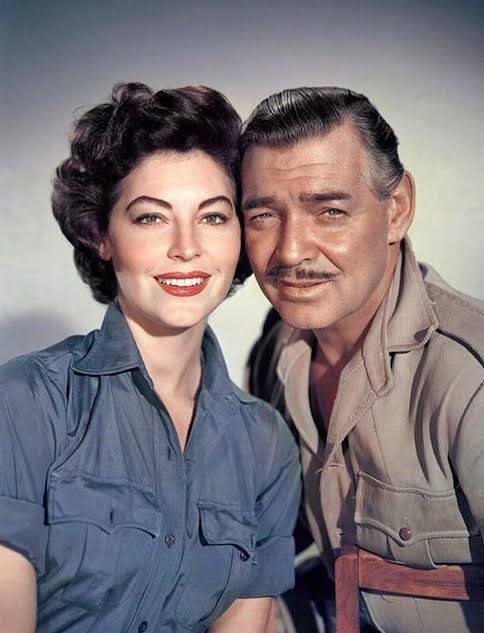
Brian Moynihan and Clark Gable represent two very different sides of American history. One is known for his leadership in modern banking, while the other became a legendary figure in Hollywood during the golden age of cinema. Although their careers developed in different industries and generations, their stories offer an interesting look at professional achievement, public recognition, and the many ways individuals can leave a lasting mark on American society.
Brian Moynihan is best known as the chairman and chief executive officer of Bank of America, one of the country’s largest financial institutions. His career reflects the responsibilities of corporate leadership, financial decision-making, and managing a complex organization through changing economic conditions.
Clark Gable, meanwhile, became one of the most recognizable actors in American film history. His confident screen presence, memorable performances, and enduring popularity helped establish his reputation as one of Hollywood’s defining leading men.
There is no widely documented direct personal or professional connection between Brian Moynihan and Clark Gable. However, exploring their separate achievements provides a useful comparison of business leadership and cultural influence.
Who Is Brian Moynihan?
Brian T. Moynihan is an American business executive who has spent much of his professional career in financial services. He is best known for leading Bank of America, where his responsibilities include corporate strategy, financial performance, risk management, and customer relationships.
Moynihan earned his undergraduate degree from Brown University in 1981 and later received his law degree from the University of Notre Dame. His education provided a foundation for a career involving legal knowledge, business judgment, and organizational leadership.
Before becoming one of the most prominent executives in American banking, Moynihan held positions that exposed him to different aspects of the financial industry. Over time, he developed experience in consumer banking, wealth management, and other financial services.
His career illustrates how professional advancement in a large organization often requires a combination of technical understanding, leadership ability, and the capacity to respond to changing market conditions.
Brian Moynihan’s Rise to Banking Leadership
Moynihan joined Fleet Financial Group in 1993. Following Bank of America’s acquisition of FleetBoston Financial in 2004, he became part of the broader Bank of America organization.
His responsibilities expanded as he took on leadership positions across several business divisions. This experience helped prepare him for the demands of managing a major financial institution.
In January 2010, Moynihan became chief executive officer of Bank of America. He later assumed the position of chairman in October 2014.
His leadership began during a challenging period for American banks, as financial institutions were still dealing with the consequences of the global financial crisis. The environment required careful attention to regulatory expectations, financial stability, customer confidence, and the long-term direction of the business.
Why Brian Moynihan Matters in American Business
Bank of America serves individuals, families, small businesses, large corporations, and institutional clients. Decisions made by its leadership can influence how the institution manages risk, develops products, invests in technology, and serves its customers.
Moynihan’s position highlights several important responsibilities of modern banking executives:
- Maintaining financial stability while pursuing sustainable growth.
- Managing credit, operational, and market risks.
- Investing in digital services and banking technology.
- Protecting customer information and maintaining public trust.
- Responding to economic changes and regulatory requirements.
These responsibilities demonstrate that corporate leadership involves more than managing profits. Executives must also consider long-term resilience, customer needs, and the broader environment in which financial institutions operate.
Who Was Clark Gable?

Clark Gable was an American actor born on February 1, 1901, in Cadiz, Ohio. He became one of the most celebrated movie stars of Hollywood’s Golden Age and earned a lasting place in American entertainment history.
Before achieving fame, Gable worked in different jobs and developed an interest in acting. His early experience in theater helped him build the skills and confidence that would eventually support his transition into films.
His Hollywood career gained momentum during the early 1930s. Audiences responded to his distinctive combination of confidence, humor, and natural screen presence. He could portray a charming romantic lead, a rebellious adventurer, or a more serious dramatic character.
Gable’s success reflected both his individual talent and the influence of the studio system that shaped American filmmaking during that period.
Clark Gable’s Most Memorable Movies
Several films helped establish Gable as one of Hollywood’s most enduring stars.
It Happened One Night (1934)
This romantic comedy became a turning point in Gable’s career. His portrayal of Peter Warne showcased his comic timing and confident personality. The performance earned him the Academy Award for Best Actor and helped establish him as a leading star.
Mutiny on the Bounty (1935)
In this historical adventure, Gable played Fletcher Christian. The film demonstrated his ability to take on a dramatic role and earned him another Academy Award nomination for Best Actor.
Gone with the Wind (1939)
Gable’s portrayal of Rhett Butler became one of the defining performances of his career. The film achieved enormous popularity and remains a significant work in discussions of classic American cinema.
The Misfits (1961)
Released after Gable’s death, this drama was his final feature film. It offered audiences a different view of the actor, moving beyond some of the confident romantic roles for which he was best known.
Together, these films demonstrate the range of his work and help explain why his name continues to be associated with Hollywood’s most celebrated era.
Why Clark Gable Became a Hollywood Legend
Gable’s reputation was built on more than a collection of successful movies. He developed a recognizable screen identity that connected with audiences across generations.
His performances often combined confidence with humor and a sense of independence. Rather than presenting his characters as overly polished or distant, he frequently gave them an approachable quality that made them appealing to moviegoers.
During the studio era, major actors also became cultural figures whose influence extended beyond the screen. Their public images shaped fashion, entertainment, and popular ideas about romance and masculinity.
Gable became closely associated with this tradition. His nickname, the King of Hollywood, reflected his standing among the major stars of his generation.
His career remains an important part of film history because his performances continue to attract audiences and demonstrate the enduring appeal of classic movie storytelling.
Brian Moynihan and Clark Gable: Comparing Their Careers
Although Brian Moynihan and Clark Gable worked in unrelated industries, their careers provide an interesting example of how people can become influential in different ways.
| Category | Brian Moynihan | Clark Gable |
|---|---|---|
| Profession | Banking executive | Film actor |
| Industry | Financial services | Entertainment |
| Best known for | Leading Bank of America | Starring in classic Hollywood films |
| Main form of influence | Business and financial leadership | Cinema and popular culture |
| Lasting legacy | Corporate management | Memorable film performances |
Moynihan’s professional reputation is associated with managing a major financial institution and making decisions that affect customers, employees, shareholders, and businesses. Gable’s reputation rests on his acting talent and the enduring popularity of his films.
Their stories demonstrate that achievement does not follow a single path. Leadership in business and excellence in entertainment require different skills, but both can result in broad public recognition.
Professional Success Requires Adaptability
Banking executives must respond to economic cycles, evolving regulations, technological developments, and changing customer expectations. Their work requires strategic thinking, sound judgment, and an understanding of financial risk.
Actors face a different set of challenges. They must interpret characters, collaborate with directors and other performers, and adapt to changing audience tastes and filmmaking styles.
Gable built a recognizable screen identity while appearing in a range of productions. Moynihan developed experience across multiple banking divisions before assuming the highest leadership positions at Bank of America.
Both careers illustrate the value of developing expertise and responding to the demands of a chosen profession.
How Their Legacies Reflect American History
The contrast between these two figures also reveals how the nature of American influence has evolved.
During Clark Gable’s era, Hollywood studios played a central role in shaping popular entertainment. Successful actors became household names, and their performances influenced film, fashion, and broader cultural expectations.
In the modern era, corporate leaders can become prominent through their responsibility for major institutions that serve millions of customers. Banking has an especially important role in everyday economic life because it supports saving, borrowing, payments, investing, and business operations.
Moynihan’s career reflects this modern form of influence. Gable’s legacy represents the cultural power of movies and the ability of an actor’s work to remain relevant long after its original release.
Their professional histories therefore offer two perspectives on American achievement: one centered on the economy and the other on entertainment.
Frequently Asked Questions
1. Who is Brian Moynihan?
Brian Moynihan is an American banking executive who serves as chairman and chief executive officer of Bank of America. He became CEO in January 2010 and chairman in October 2014.
2. Who was Clark Gable?
Clark Gable was an American actor born in 1901. He became one of Hollywood’s most celebrated stars and is particularly remembered for Gone with the Wind and It Happened One Night.
3. Are Brian Moynihan and Clark Gable related?
There is no widely documented evidence establishing a family relationship between the two men. They are known for their separate professional careers.
4. Did Brian Moynihan and Clark Gable work together?
There is no widely documented evidence that they worked together. Their careers belong to different industries and generations.
5. What is Brian Moynihan famous for?
Moynihan is best known for his leadership at Bank of America and his work in the American financial services industry.
6. What is Clark Gable’s most famous movie?
Gone with the Wind is among Gable’s most famous films. His performance as Rhett Butler remains one of the most recognizable roles in classic Hollywood cinema.
7. Did Clark Gable win an Academy Award?
Yes. Gable won the Academy Award for Best Actor for his performance in It Happened One Night, released in 1934.
8. What is the main difference between Brian Moynihan and Clark Gable?
Moynihan is known for business leadership and banking, whereas Gable is remembered for his acting career and contribution to American film history.
9. Why is Clark Gable still remembered?
Gable’s memorable performances, distinctive screen presence, and roles in influential films have helped preserve his reputation among classic-movie audiences.
10. Why compare a banker and a Hollywood actor?
Comparing these figures highlights the different ways individuals can achieve recognition and influence. One represents financial leadership, while the other represents the cultural impact of cinema.
Conclusion
Brian Moynihan and Clark Gable represent two distinct forms of American achievement. Moynihan’s career illustrates the responsibilities of modern banking leadership, while Gable’s performances helped define an important period in Hollywood history.
There is no established direct connection between them, but their stories offer a useful comparison of professional success, public recognition, and lasting influence.
Ultimately, Moynihan is associated with financial services and corporate management, while Gable remains an enduring figure in American entertainment. Their separate legacies demonstrate that meaningful professional impact can take many forms, shaped by the demands of an industry and the contributions of the individuals who work within it.





1 thought on “Brian Moynihan and Clark Gable Two American Icons From Different Eras”
Comments are closed.