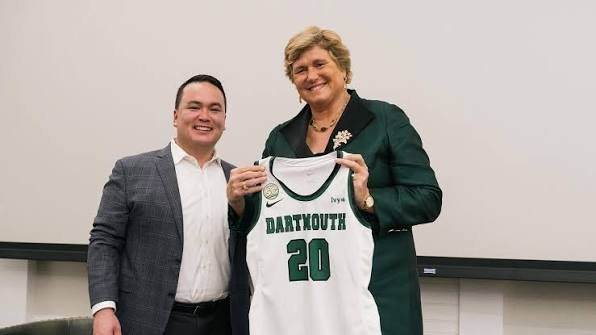
Gail Boudreaux and Michael Phelps are recognized for their achievements in two very different professional worlds. One has built an influential career in American healthcare and corporate leadership, while the other has become one of the most celebrated athletes in Olympic history. Although their professional accomplishments belong to different industries, their stories offer an interesting perspective on discipline, determination, personal development, and the pursuit of excellence.
Gail Boudreaux is best known for her leadership at Elevance Health, one of the major healthcare companies in the United States. Michael Phelps, meanwhile, is internationally recognized for his extraordinary swimming career and record-breaking Olympic performances.
The search phrase “Gail Boudreaux and Michael Phelps” brings two prominent names together, but it is important to understand their individual backgrounds rather than assume a personal, professional, or family relationship. Their publicly documented careers provide plenty of interesting material for understanding how different forms of ambition and commitment can lead to exceptional achievements.
Who Is Gail Boudreaux?
Gail Boudreaux is an American business executive known for her extensive experience in the healthcare and insurance industries. She has spent decades developing her leadership career and has become a prominent figure in the corporate healthcare sector.
She is particularly recognized for her position as president and chief executive officer of Elevance Health, formerly known as Anthem. Her career demonstrates how professional experience, education, and an understanding of large organizations can contribute to long-term leadership success.
Early Life and Educational Background
Boudreaux attended Dartmouth College, where she studied psychology and participated in competitive college athletics. Her time at Dartmouth helped establish the foundation for both her academic and professional development.
She later earned a Master of Business Administration from Columbia Business School. This combination of academic preparation and athletic experience gave her opportunities to develop skills in communication, strategic thinking, teamwork, and organizational management.
Her background is especially interesting because she did not begin her professional journey exclusively in the corporate world. Athletics played an important role in shaping her early experiences.
From Professional Basketball to Corporate Leadership
Before becoming a prominent healthcare executive, Boudreaux played professional basketball in France after graduating from Dartmouth.
Moving abroad to compete professionally required adaptability, confidence, and a willingness to experience a different culture. Her basketball career was relatively brief, but it represented an important stage in her personal development.
After returning to the United States, she began working at Aetna, where she spent approximately 20 years developing her healthcare industry experience.
She subsequently held executive positions at Health Care Service Corporation and UnitedHealth Group. She eventually became CEO of UnitedHealthcare before taking leadership of Anthem in 2017.
Under her leadership, Anthem later became known as Elevance Health, reflecting a broader corporate identity and healthcare strategy.
Her professional journey demonstrates that athletic experience and corporate management are not necessarily separate worlds. Skills developed through competitive sports can become valuable in demanding professional environments.
Her career history is documented in Elevance Health’s corporate information and official leadership profiles. Target Corporation+2
Who Is Michael Phelps?
Michael Phelps is an American former competitive swimmer widely regarded as one of the greatest athletes in Olympic history. His achievements transformed the international perception of competitive swimming and established an extraordinary standard for future generations.
Born on June 30, 1985, in Baltimore, Maryland, Phelps developed an interest in swimming during childhood. His natural abilities, dedication to training, and competitive mindset helped him progress through the sport at an unusually young age.
He eventually became a five-time Olympian, competing in the 2000, 2004, 2008, 2012, and 2016 Summer Olympic Games.
Michael Phelps and His Olympic Achievements
Michael Phelps holds an extraordinary Olympic record. Across five Olympic appearances, he won 28 medals, including 23 gold medals, three silver medals, and two bronze medals.
His achievements include:
- Sydney 2000: Made his Olympic debut at just 15 years old.
- Athens 2004: Earned six gold medals and two bronze medals.
- Beijing 2008: Won eight gold medals, establishing an exceptional single-Games achievement.
- London 2012: Collected four gold medals and two silver medals.
- Rio 2016: Finished his Olympic career with five gold medals and one silver medal.
His performance at the 2008 Beijing Olympics remains particularly memorable. Winning eight gold medals at a single Olympic Games demonstrated his versatility across multiple swimming disciplines.
Phelps competed in butterfly, freestyle, backstroke, and individual medley events. His ability to perform at an elite level across different disciplines distinguished him from many other competitive swimmers.
His Olympic achievements are documented by Team USA and the United States Olympic and Paralympic Hall of Fame. Team USA+1
Life Beyond Competitive Swimming
Although his Olympic achievements brought him worldwide recognition, Phelps has also focused on activities beyond professional swimming.
He established the Michael Phelps Foundation in 2008 to support swimming participation and promote healthy lifestyles, particularly among young people.
He has also spoken publicly about mental health, helping encourage conversations about the psychological challenges that athletes can experience.
His post-retirement activities demonstrate that an athlete’s influence does not necessarily end when competitive participation stops. Experience, public recognition, and personal interests can create opportunities to contribute to communities in different ways. Team USA+1
Is There a Connection Between Gail Boudreaux and Michael Phelps?
One of the most important questions surrounding the search term Gail Boudreaux and Michael Phelps is whether the two have a documented personal, family, or professional relationship.
Based on their publicly available biographies and established professional profiles, there is no verified evidence establishing a direct relationship between them.
They are recognized for different accomplishments and have developed careers in separate professional environments.
Gail Boudreaux is associated with healthcare administration, corporate strategy, and professional basketball. Michael Phelps is associated with competitive swimming, Olympic achievements, and sports-related philanthropy.
It would therefore be misleading to describe them as relatives, business partners, or close associates without reliable evidence.
However, comparing their backgrounds provides an interesting way to explore the relationship between athletics, personal discipline, and professional achievement.
What Do Gail Boudreaux and Michael Phelps Have in Common?
Although their careers are different, several broader themes can be identified when examining their professional journeys.
1. A Background in Competitive Sports
Both individuals have meaningful connections to competitive athletics.
Boudreaux played basketball at Dartmouth and later competed professionally in France. Phelps developed his career through competitive swimming and international sporting events.
Their athletic experiences involved commitment, preparation, and the ability to perform under pressure.
The difference lies in how those experiences developed. Boudreaux eventually transitioned into healthcare leadership, while Phelps became an internationally recognized swimming champion.
2. Discipline and Consistency
Success in sports and business rarely comes from a single achievement.
For an executive, maintaining organizational performance requires planning, communication, decision-making, and long-term strategic thinking.
For an Olympic swimmer, success requires repeated training sessions, technical improvements, physical conditioning, and preparation for major competitions.
Both professional environments reward consistency rather than occasional effort.
3. Leadership and Influence
Boudreaux’s influence comes primarily from her corporate responsibilities and experience leading large healthcare organizations.
Phelps influenced the sporting world through his competitive performances, public presence, and involvement in swimming initiatives.
Their approaches to leadership are different, but both illustrate how individuals can influence people beyond their immediate professional environments.
4. Long-Term Professional Development
Neither career can be understood through a single milestone.
Boudreaux developed her expertise through multiple organizations and increasingly responsible positions. Phelps spent years developing his swimming abilities before reaching the highest levels of international competition.
Their stories illustrate the importance of continuous improvement and the willingness to develop new capabilities over time.
How Sports Can Influence Success in Business and Professional Life
The backgrounds of Gail Boudreaux and Michael Phelps offer a useful opportunity to examine how athletic experiences can contribute to professional development.
Sports provide an environment where people learn to manage challenges, accept feedback, work toward measurable goals, and respond to setbacks.
These skills can become valuable in many careers.
Teamwork and Communication
Basketball requires coordination between teammates, effective communication, and an understanding of shared objectives.
Swimming can also involve teamwork, particularly in relay competitions, where individual performance contributes to a collective result.
In business, similar principles apply. Employees and executives must coordinate responsibilities, communicate expectations, and work toward common organizational goals.
Managing Pressure
Athletes regularly encounter situations where performance is evaluated under demanding conditions.
Business leaders face comparable challenges when making important decisions, managing uncertainty, or responding to unexpected developments.
The ability to remain focused and consider available options can be useful in both environments.
Setting Measurable Goals
Athletic training often involves clearly defined objectives, such as improving a time, refining technique, or preparing for a championship.
Business organizations also rely on measurable targets to assess progress and identify areas requiring improvement.
A structured approach to goal setting can help individuals maintain direction and evaluate their development.
Learning From Setbacks
Not every competition produces a victory, and not every business decision produces the expected result.
Both environments require individuals to review performance, recognize weaknesses, and make adjustments.
This willingness to learn from experience is one of the most transferable lessons associated with competitive athletics.
The Different Legacies of Gail Boudreaux and Michael Phelps
The professional legacies of these two Americans are shaped by different definitions of achievement.
Gail Boudreaux’s Impact on Healthcare
Boudreaux’s career is closely connected to the development of the American healthcare industry. Her executive experience includes leadership positions at major healthcare organizations and responsibility for guiding a large health benefits company.
Her professional background also highlights the opportunities available to former athletes who pursue education and corporate careers.
She represents a leadership journey built through education, industry knowledge, organizational experience, and professional advancement.
Michael Phelps’s Impact on American Sports
Phelps has established a legacy that extends beyond the number of medals he collected.
His Olympic performances helped bring greater attention to competitive swimming in the United States and internationally. His achievements continue to provide inspiration for aspiring swimmers and young athletes.
His foundation and public discussions about mental health also demonstrate how prominent athletes can use their influence to support causes beyond sports.
Frequently Asked Questions
1. Who is Gail Boudreaux?
Gail Boudreaux is an American business executive and the president and CEO of Elevance Health. She previously held senior leadership positions at Aetna, Health Care Service Corporation, and UnitedHealth Group.
2. Who is Michael Phelps?
Michael Phelps is a retired American competitive swimmer who won 28 Olympic medals, including 23 gold medals. He competed in five Olympic Games between 2000 and 2016.
3. Are Gail Boudreaux and Michael Phelps related?
There is no verified public information establishing a family relationship between Gail Boudreaux and Michael Phelps. Their publicly documented biographies describe separate professional backgrounds.
4. Did Gail Boudreaux play professional sports?
Yes. Boudreaux played professional basketball in France after graduating from Dartmouth College. She subsequently transitioned into the healthcare industry.
5. How many Olympic medals did Michael Phelps win?
Michael Phelps won 28 Olympic medals: 23 gold, three silver, and two bronze. This makes him the most decorated Olympian in history by total Olympic medals.
6. What company does Gail Boudreaux lead?
Gail Boudreaux leads Elevance Health, a major American healthcare benefits company formerly known as Anthem.
7. What was Michael Phelps’s greatest Olympic achievement?
One of his most celebrated achievements was winning eight gold medals at the 2008 Beijing Olympic Games. This remains one of the most remarkable individual performances in Olympic history.
8. Did Gail Boudreaux attend Dartmouth College?
Yes. She graduated from Dartmouth College in 1982 and later earned an MBA from Columbia Business School.
9. What does Michael Phelps do after retirement?
Phelps has focused on personal projects Gail Boudreaux and Michael Phelps, philanthropy, swimming initiatives, and mental health awareness. He also supports opportunities for young people to participate in swimming.
10. What can people learn from Gail Boudreaux and Michael Phelps?
Their professional journeys highlight the importance of discipline, education, persistence, preparation, and continuous improvement. They also demonstrate that success can take many forms across different industries.
Conclusion
Gail Boudreaux and Michael Phelps represent two distinctive examples of achievement in American professional life. Boudreaux built an influential career in healthcare leadership after developing her background in education and competitive basketball. Phelps established himself as an extraordinary Olympic swimmer through years of preparation, dedication, and international competition.
Although there is no verified evidence of a direct personal or professional relationship between them, their individual stories offer valuable lessons about determination, discipline, and long-term development.
Their journeys also demonstrate that athletic experience can contribute to personal growth in different ways. Whether someone pursues corporate leadership, professional sports, or another demanding career, consistent effort and a willingness to learn can make a meaningful difference.
Ultimately, examining Gail Boudreaux and Michael Phelps together provides an interesting perspective on how excellence develops across different professional environments.





1 thought on “Gail Boudreaux and Michael Phelps Two Different Paths to Excellence”
Comments are closed.