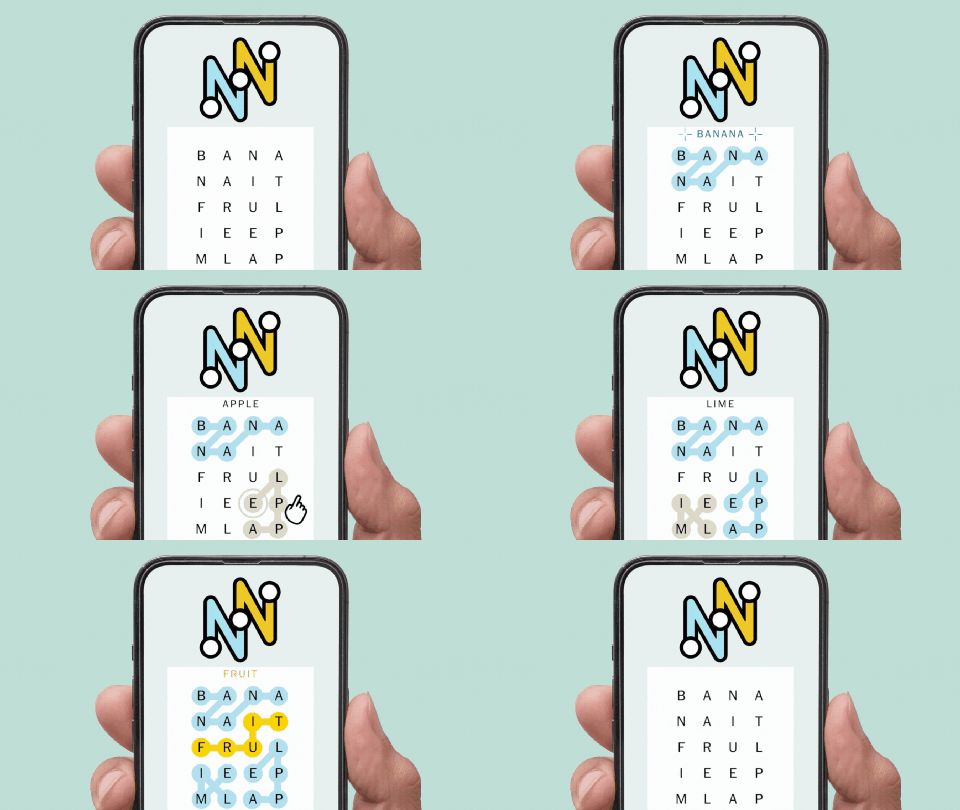
The daily word-puzzle habit has become a familiar part of many people’s routines. For players who enjoy the New York Times’ Strands, the challenge is different from a standard crossword or word search. Instead of simply finding a collection of unrelated words, players must uncover a hidden theme and identify words connected to it.
That is why searches such as “strands hint today forbes” have become useful for people who want a little assistance without immediately seeing the full solution. A good hint can keep the puzzle enjoyable while giving players enough direction to make progress independently.
The key is knowing how to use hints strategically. Whether you are completely stuck, trying to locate the Spangram, or simply looking for confirmation that you are thinking along the right lines, the right type of clue can make a significant difference.
What Is the NYT Strands Puzzle?
Strands is a daily word puzzle from The New York Times. It presents players with a grid of letters and asks them to discover words related to a particular theme.
Unlike a conventional word search, the answers are not provided in a simple list. Players have to identify the theme and then trace connected letters across the board to form words.
One especially important answer in every puzzle is the Spangram. This is a word or phrase that relates directly to the puzzle’s theme and stretches across the board, helping reveal what the other answers have in common.
The combination of a hidden theme, multiple answers, and the Spangram gives Strands a distinctive solving experience.
Why Players Search for a Strands Hint Today
A difficult puzzle can create a frustrating situation: you understand the general idea but cannot see the words hiding in the grid.
This is where a daily hint becomes useful.
Someone searching for “strands hint today forbes” may not necessarily want the complete answer. In many cases, the goal is simply to find a nudge in the right direction.
A useful hint can help players:
- Understand the day’s general theme
- Recognize the type of words they should search for
- Identify a difficult answer
- Work out the Spangram
- Continue solving without immediately revealing every word
This distinction matters because getting the entire solution instantly can remove much of the challenge that makes Strands entertaining.
How Strands Hints Can Help Without Spoiling the Puzzle
The most effective approach is to use hints in stages.
Start with the least revealing clue possible. If the theme is unclear, look for a broad thematic suggestion rather than an individual answer. Once you understand the category, return to the grid and search for words that fit.
If you still cannot make progress, move to a more specific clue.
This creates a useful progression:
Theme hint → word-category hint → partial clue → specific answer
The goal is not necessarily to solve the puzzle as quickly as possible. Instead, the goal is to use just enough information to restart your own reasoning.
Start by Looking for the Theme
The theme is arguably the most important piece of information in Strands.
Suppose a puzzle’s hidden theme relates to a particular activity, object category, profession, or cultural subject. Once you recognize that relationship, seemingly random letter combinations can become much easier to interpret.
Without the theme, you may search the grid for ordinary words. With the theme, you can narrow your possibilities dramatically.
When you are stuck, ask yourself:
What could all of the potential answers have in common?
That question often produces more progress than randomly tracing letters.
Pay Attention to the Spangram
The Spangram deserves special attention because it connects the theme to the rest of the puzzle.
Finding it early can effectively provide a roadmap for the remaining answers. Because it spans the board, its placement can also help you understand how the letter grid is organized.
However, players should not assume that finding the Spangram automatically solves everything. Other themed words still need to be discovered, and some can be surprisingly difficult to spot.
If you are searching for a Strands hint today, a clue that points toward the Spangram can therefore be particularly valuable.
Use Non-Answer Words to Earn Hints
One of Strands’ useful mechanics is that finding valid words that are not part of the final theme can contribute toward earning a hint.
This gives players another strategy when they are stuck.
Instead of staring at the board and trying to guess a themed word immediately, search for ordinary words that can be formed from adjacent letters. These discoveries can help you progress toward a hint.
That means even an incorrect thematic guess can sometimes be productive.
The important distinction is that the letters still need to form a valid word according to the game’s rules. Random combinations will not necessarily help.
Think About Word Relationships
Strands is fundamentally a puzzle about relationships between words.
If you discover one answer, examine it carefully. Ask what type of relationship it has to the theme. Then use that relationship to predict what another answer might look like.
For example, if the theme appears to involve a particular group of objects, consider:
- Common members of that group
- Less obvious members
- Singular and plural forms
- Words with related meanings
- Terms associated with the same activity
- Alternate meanings of familiar words
This method is usually more effective than scanning every possible path through the grid.
Search the Grid Systematically
When players get frustrated, they often jump randomly from one part of the grid to another.
A systematic approach can be more effective.
Begin at one edge and examine possible letter paths row by row. Then work through the center and remaining areas. Look for familiar word fragments rather than trying to identify complete answers immediately.
Also remember that the path does not behave like a traditional horizontal word search. The game’s letter connections allow words to move through the grid in different directions.
Once you find a promising sequence, follow it and see whether it forms a meaningful word.
Common Mistakes Strands Players Make
Even experienced players can make certain assumptions that make the puzzle harder.
Looking Only for Common Words
A familiar word may be visible on the board, but that does not mean it belongs to the theme.
Strands rewards thematic thinking rather than simple vocabulary recognition.
Ignoring Unusual Meanings
Some words can have multiple meanings. A word that seems unrelated to the theme at first may become relevant when interpreted differently.
When a puzzle feels difficult, consider whether a familiar term has another definition or association.
Giving Up After Missing the Theme
The theme can sometimes be easier to understand after finding one or two answers. If the opening clue does not immediately make sense, keep exploring the board rather than assuming the puzzle is impossible.
Revealing Every Answer Too Quickly
A full answer list may solve the immediate problem, but it eliminates the discovery process. If you enjoy the challenge, use progressively stronger hints instead.
How to Decide When to Look for a Hint
There is no universal rule for when a hint should be used.
Some players prefer to solve every puzzle independently. Others enjoy using a clue after several minutes. Both approaches are reasonable.
A practical system is to give yourself a set amount of uninterrupted solving time. If you make no progress, look for a broad thematic hint. Return to the puzzle before seeking anything more specific.
This preserves the satisfaction of solving while preventing a difficult puzzle from becoming an unnecessary source of frustration.
What Makes a Good Strands Hint?
A useful hint should provide information without unnecessarily revealing the answer.
The best clues often identify a category, concept, or association rather than spelling out the word.
For example, instead of giving an answer directly, a hint might tell you that the word relates to a particular type of object or activity.
This type of clue activates your own vocabulary and pattern recognition.
For people searching “strands hint today forbes,” this is an important distinction. Search results can contain everything from subtle clues to complete answer lists, so readers should decide how much assistance they actually want before opening a result.
Strands Hint Versus Strands Answer
A hint and an answer serve different purposes.
A hint provides direction while preserving some of the puzzle’s challenge.
An answer confirms exactly which word belongs in the puzzle.
If you are solving for enjoyment, start with hints. If you have already spent substantial time searching and simply want to finish the day’s puzzle, checking an answer may be more appropriate.
Players can also use a middle-ground approach by looking for the number of letters or a thematic description without revealing the exact word.
How to Avoid Spoilers When Searching Online
Searching for a daily puzzle can be risky because search results may reveal answers immediately.
If you want assistance without spoilers, consider using search terms that specifically include words such as “hint,” “clue,” or “theme” rather than “answers.”
Reading headlines carefully can also help. Many puzzle pages place the complete solution near the top of the article, while others separate hints and answers into different sections.
For daily puzzle fans, spoiler-free browsing is especially useful because the challenge itself is part of the entertainment.
Why Daily Word Puzzles Remain Popular
Strands fits into a broader trend of short-form digital puzzles designed to be played regularly.
Daily puzzles provide a small, structured challenge that does not require a large time commitment. Players can complete one puzzle during a morning routine, lunch break, commute, or evening downtime.
Strands adds another layer by combining vocabulary, spatial reasoning, pattern recognition, and thematic association.
That combination gives players several ways to approach the same puzzle.
Tips for Becoming Better at Strands
Improvement generally comes from recognizing patterns rather than memorizing specific answers.
Start by expanding your thematic vocabulary. If a puzzle involves a familiar subject, think beyond the most obvious words.
It also helps to practice visual scanning. Instead of reading the board as a collection of isolated letters, look for sequences that could develop into words.
Finally, pay attention to how you solve difficult puzzles. If you repeatedly miss certain types of words, that can reveal a useful pattern in your solving habits.
Over time, recognizing those patterns can make future puzzles feel more manageable.
Frequently Asked Questions About Strands Hints
What is the Strands hint today?
The daily Strands hint changes with each new puzzle. Because the puzzle is updated daily, players should check a current source for the specific day’s clue rather than relying on an older article.
What is the NYT Strands Spangram?
The Spangram is the special theme-related word or phrase that stretches across the Strands board. Finding it can help players understand the puzzle’s central theme.
Can I play Strands without seeing the answers?
Yes. Players can use general theme clues or partial hints while avoiding complete answer lists. This is a useful option for people who want assistance but still want to solve most of the puzzle themselves.
How do I get better at NYT Strands?
Focus on recognizing thematic relationships, exploring different letter paths, and considering multiple meanings of words. Regular practice can also improve familiarity with the puzzle’s structure.
Are Strands hints the same every day?
No. Each daily puzzle has its own theme and answers, so hints change accordingly.
Should I find the Spangram first?
There is no requirement to find it first. However, identifying the Spangram can provide useful information about the theme and make the remaining answers easier to identify.
Why can’t I find a word that seems obvious?
A word can appear on the board without being one of the puzzle’s intended themed answers. Consider whether it actually fits the day’s theme before assuming it is correct.
What should I do if I am completely stuck?
Start with the broadest available hint. Once you understand the theme, return to the grid and search for related words. If you remain stuck, use a more specific clue.
Does Strands require advanced vocabulary?
Not necessarily. The puzzle can involve familiar words, but its difficulty often comes from the relationships between words and the hidden theme rather than obscure vocabulary alone.
Where can I find information about the Strands puzzle today?
The New York Times is the primary source for the game itself, while various puzzle-focused publications provide daily hints, explanations, and discussions. When looking for a Strands hint today, check the publication date to make sure the information matches the current puzzle.
Conclusion
Searching for “strands hint today forbes” reflects a common way modern puzzle players look for just enough help to keep a challenging game moving. The most useful approach is usually not to jump straight to a complete answer list.
Instead, identify the theme, look for the Spangram, explore the board systematically, and use progressively stronger hints only when necessary. This approach preserves the discovery that makes Strands enjoyable while still giving you a practical way forward when the grid becomes difficult.
For daily players, the best hint is often the one that provides a new perspective rather than simply providing the solution.






1 thought on “Strands Hint Today Forbes A Smarter Way to Approach the Daily Word Puzzle”
Comments are closed.