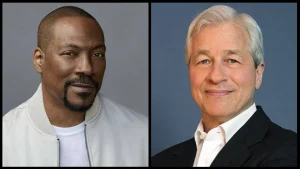
American history is shaped by people who make lasting contributions in very different fields. Some become household names through television and entertainment, while others influence the business world through investment, entrepreneurship, and leadership. Tom Kennedy and Sam Zell represent two distinct examples of this influence.
Tom Kennedy became a familiar face to American television audiences through decades of hosting popular game shows. Sam Zell, meanwhile, established himself as one of the country’s most recognizable real estate investors and entrepreneurs, building a business career that extended across several industries.
Although the names Tom Kennedy and Sam Zell sometimes appear together in online searches, their documented careers belong to separate professional worlds. There is no established evidence that they were relatives, business partners, or close personal associates.
Understanding who these two individuals were requires looking beyond their shared appearance in search queries. Their biographies reveal different approaches to professional success, public recognition, and long-term influence.
Who Were Tom Kennedy and Sam Zell?
Tom Kennedy was an American television personality best remembered for hosting several successful game shows. Born James Edward Narz on February 26, 1927, he developed a career in broadcasting that made him a recognizable figure in American television entertainment.
Sam Zell was an American billionaire entrepreneur and investor born in Chicago on September 28, 1941. He became particularly influential in commercial real estate and later expanded his investments into industries such as energy, manufacturing, healthcare, and transportation.
Their professional identities were fundamentally different.
Kennedy built his reputation through communication, entertainment, and his ability to connect with television audiences. Zell earned recognition through investment decisions, business acquisitions, corporate leadership, and his willingness to pursue opportunities that other investors considered too risky.
Both left significant professional legacies, although their achievements took place in different environments.
Tom Kennedy: The Television Personality Behind the Game Shows
Early Life and Career Beginnings
Born in Louisville, Kentucky, Kennedy developed an interest in broadcasting at an early age. His professional journey began in radio while he was attending the University of Missouri.
After gaining experience in radio, he moved to Hollywood in 1947 to pursue opportunities in the entertainment industry. His background in broadcasting helped him develop the communication skills and on-air personality that would eventually define his television career.
Kennedy initially worked under his birth name, James Edward Narz. In 1957, he adopted the professional name Tom Kennedy, partly to distinguish himself from his older brother, Jack Narz, who was also a television game show host.
This decision helped establish a separate identity in an industry where both brothers were building successful careers. Television Academy+1
Popular Game Shows That Defined His Career
Kennedy became particularly successful during the golden era of American television game shows. His relaxed presentation style, quick responses, and ability to interact naturally with contestants made him a dependable host.
Some of his best-known television programs included:
- You Don’t Say! (1963–1969): A word-association game show that became one of his earliest major successes.
- Split Second (1972–1975): A fast-paced competition that tested contestants’ ability to answer questions quickly.
- Name That Tune (1974–1981): Perhaps his most recognizable hosting role, featuring musical challenges in which contestants identified songs.
- Password Plus (1980–1982): A popular word-guessing program that Kennedy hosted after Allen Ludden’s departure.
- Body Language (1984–1986): Another television competition that demonstrated his versatility as a presenter.
- The Price Is Right (1985–1986): Kennedy also hosted a syndicated nighttime version of the well-known game show.
His television career extended beyond game shows. He appeared in several scripted television productions and made a film appearance in Witness (1985).
These experiences demonstrated that his entertainment career was broader than his work behind a game show podium. Television Academy+1
What Made Tom Kennedy an Effective Television Host?
Television hosting requires more than reading questions and announcing winners. A successful presenter must maintain the show’s rhythm, explain rules clearly, create excitement, and make contestants comfortable.
Kennedy demonstrated several qualities that helped him maintain a long career.
Natural communication: His conversational approach made complicated game formats easier for viewers to follow.
Audience engagement: He understood how to maintain interest without making himself more important than the contestants.
Adaptability: His work across different game show formats demonstrated an ability to adjust to changing production styles.
Consistency: His career lasted several decades, reflecting the value of experience and professionalism in television broadcasting.
Tom Kennedy’s Death and Entertainment Legacy
Tom Kennedy died on October 7, 2020, at his home in Oxnard, California. He was 93 years old.
His death marked the end of a long career associated with an important period in American television history.
His programs remain part of the broader history of classic game shows, particularly Name That Tune, You Don’t Say!, and Split Second. For viewers who remember watching daytime television during the 1960s, 1970s, and 1980s, Kennedy remains a recognizable name. Los Angeles Times+1
Sam Zell: The Investor Who Reshaped American Real Estate
While Tom Kennedy became known through entertainment, Sam Zell built his reputation in American business.
Zell was a Chicago-based entrepreneur and investor whose career spanned more than six decades. He became particularly influential in commercial real estate, where his investment philosophy emphasized identifying undervalued assets and recognizing opportunities during periods of financial uncertainty.
He was widely known by the nickname “The Grave Dancer,” reflecting his willingness to invest in distressed businesses and properties that other investors avoided.
Early Life and Educational Background
Samuel Zell was born on September 28, 1941. His parents had escaped Poland shortly before the Nazi invasion and eventually settled in the United States.
Growing up in the Chicago area, Zell developed an entrepreneurial mindset at an early age. He demonstrated an interest in buying and selling products and identifying opportunities that others might overlook.
He attended the University of Michigan, where he studied political science and graduated with a bachelor’s degree in 1963.
During his college years, he became involved in managing student apartment buildings. What initially appeared to be a practical way to earn money and secure housing eventually developed into a major business opportunity.
Zell continued his education at the University of Michigan Law School, earning his law degree in 1966.
Although he briefly practiced law, his primary interest remained real estate investment and entrepreneurship. Los Angeles Times+1
Building Equity Group Investments
One of the most important milestones in Zell’s career was the establishment of Equity Group Investments in 1968.
The company became the central platform for his investment activities and supported his involvement in numerous industries.
Rather than concentrating exclusively on one business category, Zell pursued opportunities across different markets. His investments included:
- Commercial and residential real estate
- Healthcare and manufacturing
- Energy and infrastructure
- Transportation and logistics
- Communications and media
- Manufactured housing communities
His investment philosophy centered on identifying assets with potential that the wider market might underestimate.
This approach allowed him to participate in business turnarounds, acquisitions, and corporate restructuring across multiple sectors. SEC+1
The Role of Real Estate Investment Trusts
One of Sam Zell’s most significant contributions involved the development of large-scale real estate investment businesses.
A real estate investment trust, commonly known as a REIT, allows investors to participate in income-producing real estate through ownership of publicly traded or privately held shares.
Instead of purchasing an entire apartment building or office complex, investors can gain exposure to a portfolio of properties through a REIT.
Zell recognized the potential of this structure and helped expand its role in American commercial real estate.
He founded Equity Residential, which became a major apartment-focused REIT, and Equity Office Properties Trust, which grew into one of the largest office property companies in the United States.
In 2007, Equity Office Properties was sold to Blackstone for approximately $39 billion, marking one of the most significant transactions of Zell’s career.
The deal demonstrated the scale that professionally managed real estate portfolios could achieve. Kellogg School of Management+1
Why Sam Zell Was Called the Grave Dancer
The nickname “Grave Dancer” reflected Zell’s distinctive approach to investing.
He frequently pursued companies and properties experiencing financial difficulties. Rather than automatically avoiding struggling assets, he examined whether their underlying value could be greater than their current market price.
His strategy involved assessing several important factors:
- Asset value: Determining whether the underlying properties or operations had long-term potential.
- Financial structure: Understanding existing debt, liabilities, and opportunities to reorganize financing.
- Management: Identifying changes that could improve operational performance.
- Market conditions: Recognizing when distressed assets might become attractive investments.
- Exit opportunities: Considering how an investment could eventually generate a return.
This strategy did not guarantee success, but it helped distinguish Zell from investors who preferred conventional opportunities.
His career also demonstrated that successful investing requires accepting uncertainty and understanding the consequences of financial decisions.
Sam Zell and the Tribune Company Acquisition
One of the most controversial chapters of Zell’s career involved his acquisition of the Tribune Company in 2007.
Tribune owned several prominent American media properties, including the Los Angeles Times and the Chicago Tribune.
Zell believed the traditional newspaper industry could adapt to changing technology and evolving consumer habits. He pursued a leveraged buyout that allowed him to acquire control of the media company through a complicated financing arrangement.
However, the transaction created substantial financial pressure.
The newspaper industry was already facing declining print circulation, changing advertising patterns, and increasing competition from digital media.
The financial crisis of 2008 made these challenges even more difficult.
In December 2008, approximately one year after the acquisition, Tribune Company filed for Chapter 11 bankruptcy protection.
The episode became a major setback in Zell’s otherwise successful business career.
It also demonstrated that an investment strategy that works in one industry cannot necessarily be transferred successfully to another. Los Angeles Times+1
Lessons From Sam Zell’s Business Career
Zell’s professional history offers several useful lessons for entrepreneurs and investors.
Recognize overlooked opportunities: Financial difficulties do not always mean an asset has no future value.
Understand risk before investing: A potentially attractive purchase can become dangerous when excessive debt is involved.
Adapt to changing industries: Business models must evolve as consumer behavior and technology change.
Diversify investments: Exposure to different industries can reduce dependence on a single market, although diversification does not eliminate risk.
Accept that failure is possible: Even experienced investors make decisions that produce disappointing outcomes.
His career was not simply a story of financial success. It also provides an example of how complex business decisions can create both opportunities and serious consequences.
Sam Zell’s Philanthropy and Educational Contributions
Beyond his investment activities, Zell supported entrepreneurship education and institutions focused on developing future business leaders.
His philanthropic involvement included programs at several major universities.
The University of Michigan established the Zell/Lurie Institute for Entrepreneurial Studies, while Northwestern University’s Kellogg School of Management developed the Zell Fellows entrepreneurship program.
He also supported the Samuel Zell and Robert Lurie Real Estate Center at the University of Pennsylvania’s Wharton School.
These initiatives reflect an important aspect of his legacy: encouraging students and emerging entrepreneurs to develop practical business skills, recognize opportunities, and pursue innovative ideas.
His influence therefore extended beyond corporate transactions and commercial property ownership. Kellogg School of Management+1
Tom Kennedy and Sam Zell: Comparing Their Careers and Achievements
Although both men achieved considerable recognition in the United States, their careers followed very different paths.
| Category | Tom Kennedy | Sam Zell |
|---|---|---|
| Professional field | Television entertainment | Business and investment |
| Birth name | James Edward Narz | Samuel Zell |
| Birth date | February 26, 1927 | September 28, 1941 |
| Known for | Hosting game shows | Real estate investments |
| Notable work | Name That Tune | Equity Office Properties |
| Main industry | Broadcasting | Commercial real estate |
| Professional influence | American television | Investment and entrepreneurship |
| Date of death | October 7, 2020 | May 18, 2023 |
Different Approaches to Professional Success
Kennedy’s success depended on communication, audience relationships, and entertainment skills.
Zell’s achievements depended on financial analysis, negotiation, strategic acquisitions, and business leadership.
Despite these differences, their careers illustrate a shared principle: long-term professional recognition often comes from developing expertise and consistently applying it within a particular field.
Kennedy built a lasting connection with television audiences, while Zell developed a reputation among investors, business leaders, and entrepreneurs.
Were Tom Kennedy and Sam Zell Related?
There is no established evidence that Tom Kennedy and Sam Zell were related.
They came from different family backgrounds and became known in unrelated professional industries.
Tom Kennedy was born James Edward Narz and built a career as a television game show host. Sam Zell was an entrepreneur and real estate investor who established Equity Group Investments.
There is also no reliable documentation establishing that they worked together, shared a business partnership, or maintained a close personal relationship.
Their names appearing together in online searches should therefore not be interpreted as evidence of a family or professional connection.
Why Do People Search for Tom Kennedy and Sam Zell Together?
There are several possible reasons why these names may appear in the same search query.
Shared Interest in American Personalities
People researching notable American figures may encounter names from different industries while exploring biographies, historical events, and professional achievements.
Online Search Associations
Search engines sometimes connect names because users search for them together or because different websites discuss them in related contexts.
However, appearing together in search results does not establish a meaningful historical relationship.
Interest in Biographical Information
Both men have detailed biographies, public records, professional histories, and media coverage.
Readers researching their lives may want to compare their careers, backgrounds, achievements, and legacies.
The most important distinction is that their individual accomplishments are well documented, while a direct connection between them is not.
Frequently Asked Questions
1. Who were Tom Kennedy and Sam Zell?
Tom Kennedy was an American television game show host known for programs such as Name That Tune and You Don’t Say! Sam Zell was an American billionaire entrepreneur and investor recognized for his contributions to commercial real estate.
2. Were Tom Kennedy and Sam Zell friends?
There is no reliable public documentation establishing a friendship or close personal relationship between them.
3. Were Tom Kennedy and Sam Zell business partners?
No verified business partnership between the television host and the real estate investor has been established.
4. What was Tom Kennedy famous for?
Tom Kennedy was best known for hosting Name That Tune, Split Second, You Don’t Say!, and Password Plus. His television career extended across several decades.
5. What was Sam Zell famous for?
Sam Zell became famous for building a major real estate investment business, founding Equity Group Investments, and developing companies such as Equity Residential and Equity Office Properties Trust.
6. What was Tom Kennedy’s real name?
Tom Kennedy was born James Edward Narz. He adopted his professional name in 1957 to distinguish himself from his brother, Jack Narz, who was also a television host.
7. Why was Sam Zell called the Grave Dancer?
The nickname reflected his investment strategy of purchasing financially distressed companies and properties that other investors often avoided.
8. When did Tom Kennedy die?
Tom Kennedy died on October 7, 2020, at the age of 93, in Oxnard, California.
9. When did Sam Zell die?
Sam Zell died on May 18, 2023, at the age of 81, following complications from an illness.
10. What is Sam Zell’s most important business achievement?
One of his most significant achievements was building Equity Office Properties Trust into a major commercial real estate company before its approximately $39 billion sale to Blackstone in 2007.
Conclusion
Tom Kennedy and Sam Zell represent two different forms of American professional achievement.
Kennedy became a familiar television personality through his memorable game show appearances, natural communication skills, and decades of broadcasting experience. His contribution to entertainment remains part of the history of classic American television.
Sam Zell built a very different legacy through entrepreneurship, real estate investment, corporate acquisitions, and educational philanthropy. His career demonstrated the potential rewards of recognizing overlooked opportunities while also highlighting the risks associated with ambitious financial decisions.
Although their names appear together in searches, there is no established evidence of a direct personal or business relationship between them.
Understanding their individual stories provides a clearer picture of their respective contributions to American entertainment and business history. Their careers serve as reminders that influence can take many forms, whether through entertaining millions of viewers or transforming major industries through investment and entrepreneurship.